
Many Tanzanians, both at home and abroad, are discovering that “low‑fee” banking still eats away at their money in quiet, persistent ways. While most people focus on the advertised monthly maintenance fee, the real cost of banking often lies in the fine print. This article unpacks the main hidden costs so you can see where your balance is really going.
The Hidden Currency Spread
When you send or receive foreign currency, you usually look at the Bank of Tanzania (BoT) rate and assume your bank is using something similar. In reality, banks often add a hidden margin on top of the official rate.
The BoT publishes a daily table with buying, selling, and mean rates for each major currency, including USD and GBP. For example, in March 2026, the BoT mean rate for GBP was approximately 3,417 TZS per pound, while a typical commercial bank’s retail “selling” rate for customers sat around 3,580 TZS—a gap of over 160 TZS on every pound you buy.
That difference is the spread. On a 2,000 USD conversion with a 60‑TZS spread, you lose about 120,000 TZS on the exchange alone before any transfer fees are added. For diaspora communities sending regular remittances, this invisible margin is often the largest fee you pay.
USSD and Digital Session Charges
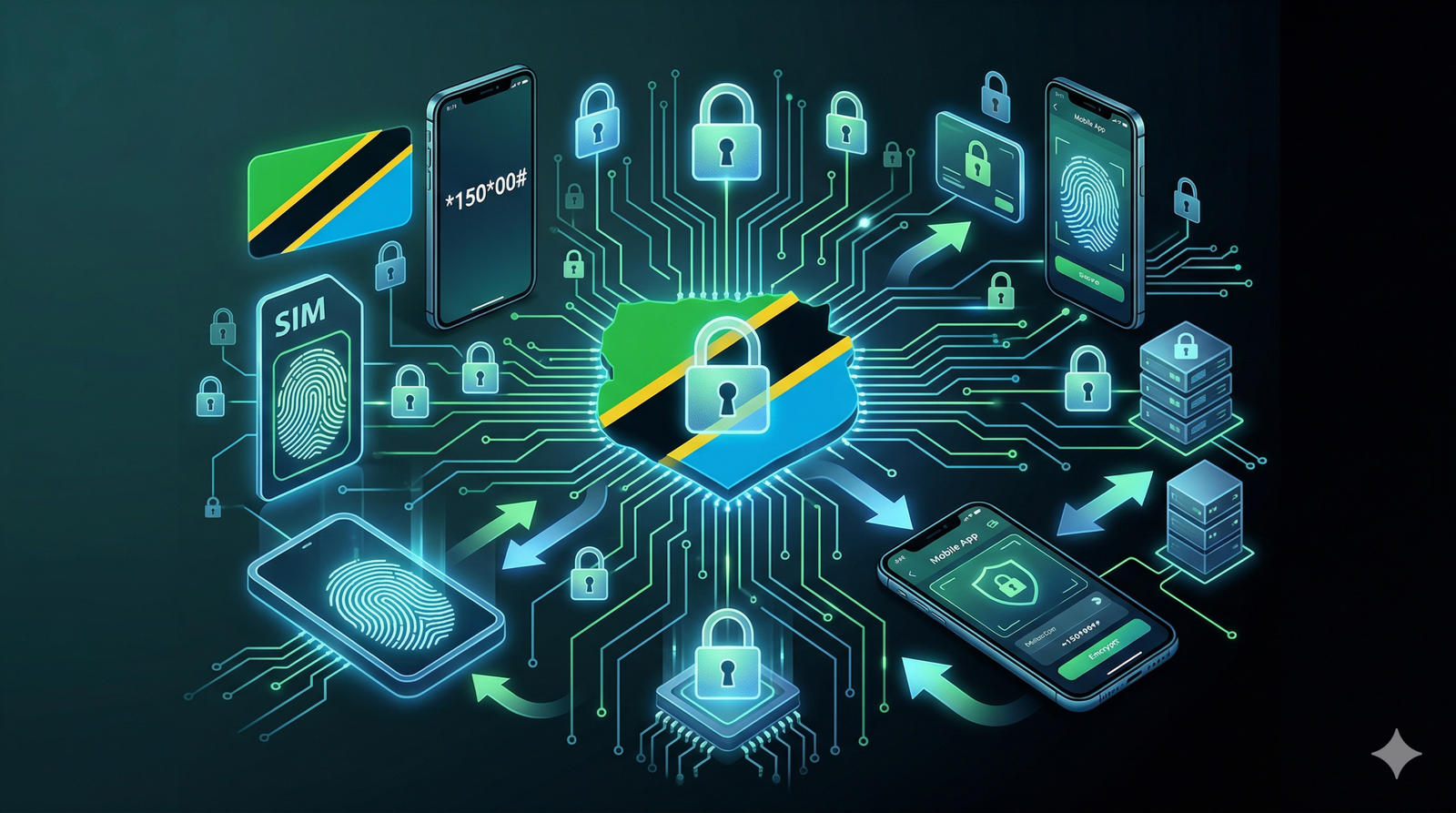
Many customers assume that checking a balance via USSD (for example, dialing 150xx#) is free because the bank doesn’t always show a charge on the statement. However, costs are often layered.
First, some banks explicitly charge for mobile balance inquiries, ranging from 400 to 1,000 TZS per request. Second, your mobile operator can charge you for the USSD session itself. Public Airtel Tanzania and Vodacom documents indicate charges of roughly 50 TZS per session. If the network is poor and you dial three times, you may incur three separate mobile network charges even if the banking transaction fails.
The Mobile Money Tax Stack
Digital transactions are affected by a complex “stack” of taxes that are built into the fees you see on your receipt. According to ICTD research on Tanzania’s mobile money taxation, the layering of taxes is significant:
- VAT: A standard 18% VAT applies to fees charged by banks and telcos.
- Excise Duty: A 10% excise duty is applied to most digital financial service fees.
In practice, if a provider sets a raw fee of 1,000 TZS, the excise duty and VAT can push the total tax on that single fee to nearly 300 TZS. This complex layering is almost invisible to the consumer but significantly impacts the final cost of mobile internet and bank-to-wallet transfers.
Penalty Fees You Rarely Notice
Declined ATM Withdrawals
You might assume that if an ATM withdrawal is declined because of insufficient funds, it should be free. However, commercial bank tariff guides show that many banks charge a penalty for declined attempts, often ranging from 900 to 1,500 TZS.
Dormant Account Activation
If you leave an account unused, it may be marked as “dormant.” Resurrecting that account can trigger an activation fee. While some banks waive this, others charge between 6,500 and 11,800 TZS just to make your account active again.
The “Below Minimum Balance” Trap
Many accounts are marketed as “free,” but they are often subject to maintaining a minimum operating balance. If your balance drops below a threshold (e.g., 20,000 TZS), the bank may apply a monthly “service charge” of 2,000 to 3,000 TZS.
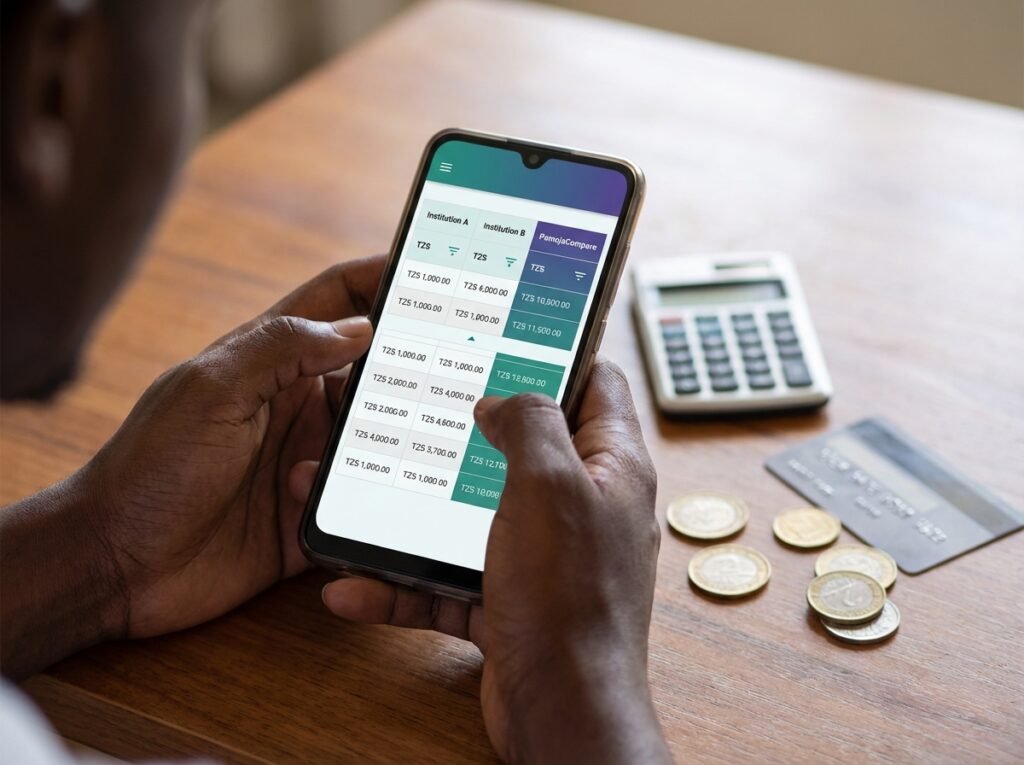
If you aren’t careful, these fees can gradually wipe out your remaining funds. Our bank fee comparison tables allow you to see these minimum balance requirements side-by-side to avoid these traps.
How to Protect Your Money
- Separate Fee from Spread: Always compare your bank’s exchange rate against the official BoT rate.
- Use Apps Over USSD: Where possible, use bank apps on Wi-Fi to check balances, as these often bypass USSD session fees.
- Consolidate Accounts: Close unused accounts before they go dormant to avoid activation penalties.
- Know Your Minimums: Treat your bank’s minimum balance as your “zero” to avoid monthly service charges.
- Use Comparison Tools: Use independent platforms to check the latest quarterly tariff updates and ensure you are using the most cost-effective product for your needs.
By understanding these hidden costs—spreads, session charges, tax stacks, and penalty traps—you can keep more of your money in your own pocket.